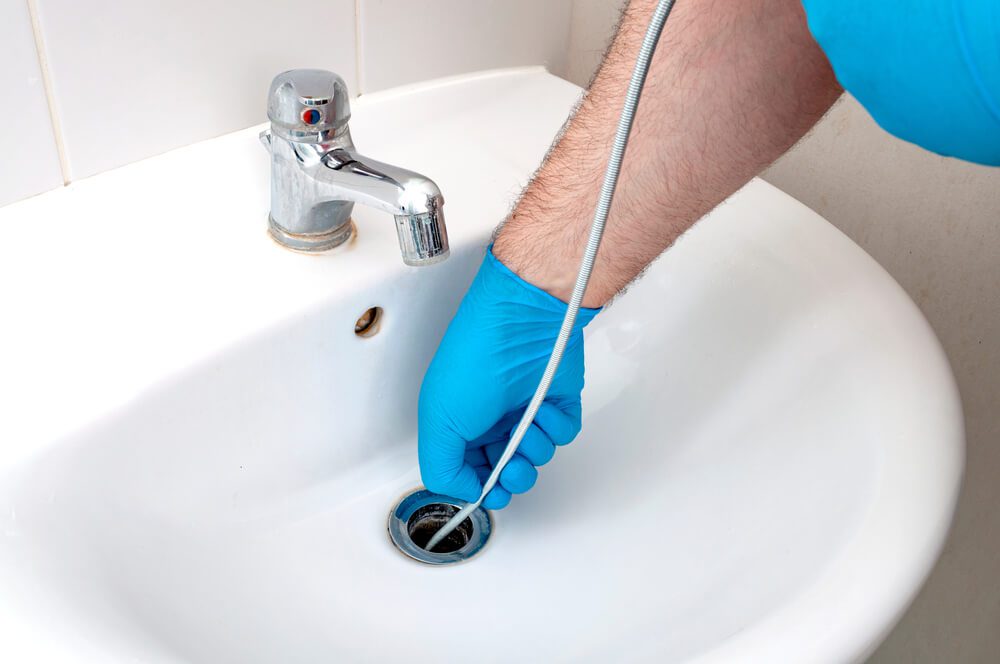
5 Drain Clogging Myths Debunked by Plumbing Experts
In home maintenance, few issues are as frustrating as dealing with a clogged drain. It disrupts daily life, creates unsanitary conditions, and often leads to costly repairs if not addressed promptly.…
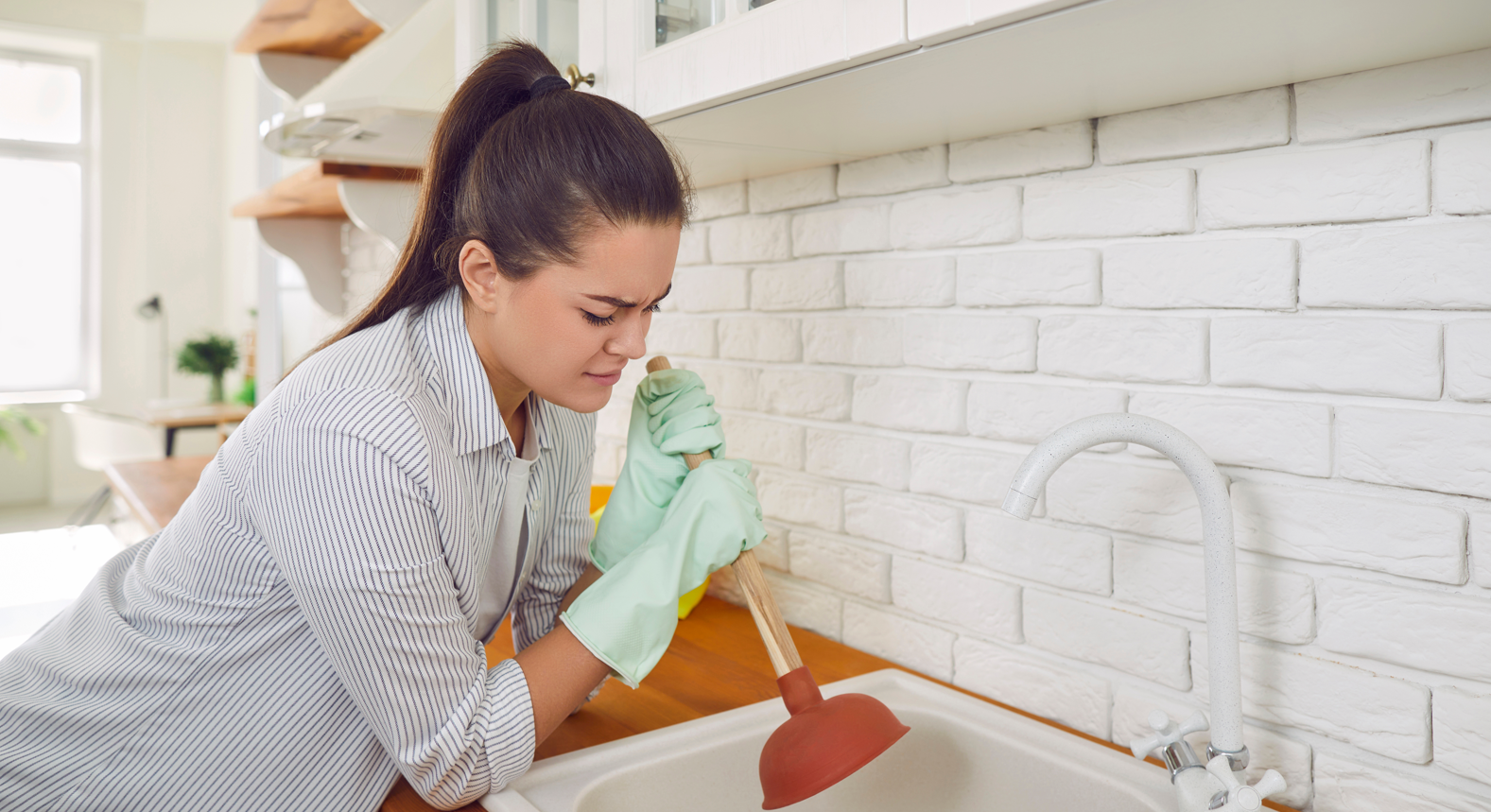
In home maintenance, few issues are as frustrating as dealing with a clogged drain. It disrupts daily life, creates unsanitary conditions, and often leads to costly repairs if not addressed promptly. However, the internet is rife with DIY solutions and myths that promise quick fixes but can cause more harm than good. To help homeowners, DIY enthusiasts, and property managers, we’re here to debunk some of the most prevalent drain-clogging myths!
Hot Water Can Dissolve Any Clog
While running hot water down the drain might seem like a simple solution, it isn't a catch-all for every type of clog. Hot water can indeed help dissolve grease-based blockages, but it won't be effective on hair, soap scum, or larger objects. Consistently relying on hot water may even cause grease to move further down the pipes, potentially creating a more significant problem. Regular maintenance and using tools like a plunger or drain auger are advisable.
Toilet Paper is the Only Safe Product for Toilets
It's a common belief that toilet paper is the only thing besides waste that can be flushed safely. However, even flushable wipes marketed as safe can cause clogs. These products don't break down as easily as toilet paper, leading to blockages. To prevent toilet clogs, it's best to stick to toilet paper and educate household members on proper disposal methods for other products.
All Sinks are Equipped to Handle Food Waste
With the convenience of garbage disposals, it's easy to assume that all food waste can be flushed down the kitchen sink. This is a misconception. Certain foods like coffee grounds, fibrous vegetables, and eggshells can wreak havoc on your plumbing system. Over time, these materials can accumulate and lead to clogs. To maintain a well-functioning sink, dispose of these items in the trash or compost bin instead.
Chemical Drain Cleaners are Safe and Effective
Many people believe that chemical drain cleaners are a surefire way to clear a clogged drain. While these products can be effective in breaking down blockages, they often do more harm than good. The harsh chemicals can corrode pipes, leading to leaks and costly repairs. Instead, experts recommend using natural alternatives like baking soda and vinegar, or a drain snake, which are safer and often just as effective.
Regularly Pouring Oil Down the Drain is Harmless
A common myth suggests that small amounts of oil can be safely disposed of down the drain. In reality, oil and grease can adhere to the inner walls of pipes, gradually building up and leading to severe blockages. This is especially troublesome in colder climates, where oils solidify quickly. To avoid this issue, collect used oil in a container and dispose of it properly, following local waste disposal guidelines.
Understanding these myths can save you time, money, and stress when dealing with plumbing issues. Stay informed and practice proper maintenance habits to keep your home's plumbing system running smoothly. If you're facing persistent drain issues, consider reaching out to a professional plumber for a thorough inspection. Their expertise can prevent minor problems from turning into major headaches.