How To Clean and Maintain Various Water Heater Systems
Water heaters are the unsung heroes of our homes, providing us with that delightful stream of hot water for showers, dishwashing, and laundry. Yet, they often remain out of sight and out of mind…
Water heaters are the unsung heroes of our homes, providing us with that delightful stream of hot water for showers, dishwashing, and laundry. Yet, they often remain out of sight and out of mind until something goes wrong. As a responsible homeowner, understanding how to clean and properly maintain your water heater is crucial not only for ensuring its efficiency but also for elongating its lifespan. In this comprehensive guide, we'll explore step-by-step methods to care for different types of water heater systems—be it traditional tank models or modern tankless units. Equip yourself with the knowledge to preserve this vital household appliance effectively.
Conventional Water Heater
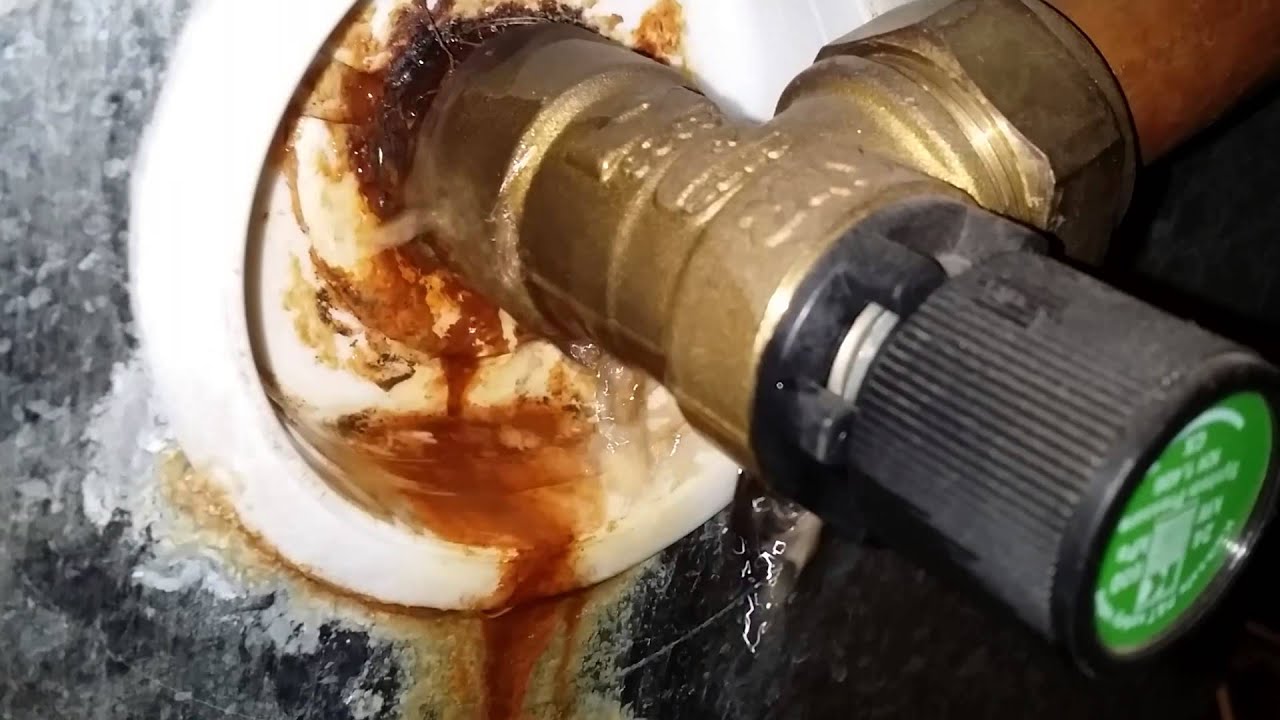
To clean and maintain a conventional water heater, it is essential to regularly flush the tank to remove sediment buildup, which can diminish efficiency and lead to corrosion. This process involves turning off the power or gas supply, attaching a hose to the drain valve, and safely emptying the tank, followed by a thorough rinse to clear any remaining debris. Additionally, inspecting and replacing the anode rod—which protects the tank from rust—is key to extending the appliance’s lifespan. However, certain signs may indicate that replacement is necessary, such as discolored or foul-smelling water, inconsistent water temperatures, unusual noises like rumbling or banging, or visible leaks around the base of the unit. Addressing these issues promptly can prevent costly damages and ensure uninterrupted performance. It is highly recommended to call local plumbers, like those at George Morlan Plumbing, to inspect the problem signs you noticed and to help install a new water heater if necessary.
Tankless Water Heater
Regular cleaning and maintenance are essential to ensure the efficient operation and longevity of your tankless water heater. To maintain optimal performance, it is crucial to descale the unit at least once a year or more often in areas with hard water. This involves flushing the system with a descaling solution to remove mineral buildup that can hinder efficiency. Additionally, cleaning the unit's inlet screen filter and checking for any sediment or debris that might block water flow are key steps. While regular maintenance helps prevent issues, certain signs may indicate the need for replacement. Reduced water flow, inconsistent heating, or error codes on the system display can signal underlying problems that require professional attention to perform a tankless water heater system repair if necessary. Corrosion or visible damage to internal components are also concerning and may necessitate replacing the unit to prevent further complications. Ensuring proper care and being vigilant about these warning signs can save both time and money in the long run.
Solar Water Heater
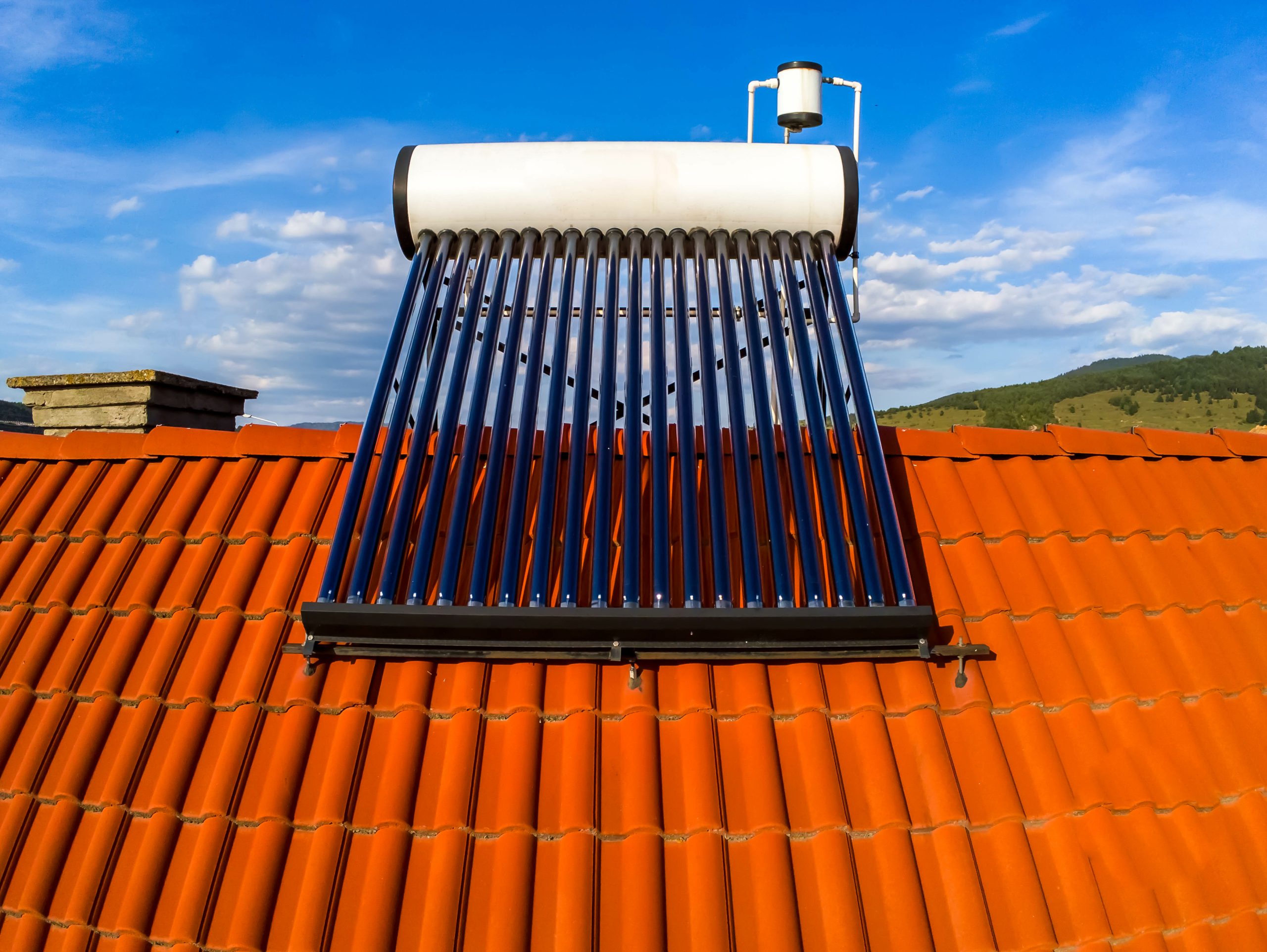
Regular cleaning and maintenance are essential to ensure the efficiency and longevity of a solar water heater system. This typically involves inspecting and cleaning the solar collectors to remove dust, dirt, or debris that can reduce their ability to absorb sunlight effectively. Flushing the system periodically is also recommended to prevent mineral buildup, especially in areas with hard water. Checking for leaks in the piping or storage tank is important, as they can compromise the system's performance over time. However, certain signs may indicate it is time to consider a replacement. These include persistent issues such as significant drops in water temperature or pressure, visible damage to the tank or panels, and extensive signs of corrosion. If energy efficiency continues to decline despite regular maintenance, replacing the system may be a more cost-effective solution in the long term. Regular care and attention to warning signs are crucial for maintaining optimal performance and preventing costly repairs or replacements.
Point of Use Water Heater
A point of use water heater is a compact and efficient system designed to provide hot water directly at the fixture where it is needed, such as a sink or shower, without relying on a central heating system. These units are valued for their energy-saving capabilities and rapid delivery of hot water, making them ideal for smaller households or specific applications. Proper cleaning and maintenance of a point-of-use water heater are essential to ensure its longevity and efficiency. It is important to periodically inspect the anode rod, if applicable, and replace it when it is heavily corroded to prevent damage to the tank lining. Cleaning the exterior of the heater and checking for any visible signs of wear, such as rusting or moisture around connections, can help catch minor issues before they escalate.
Heat Pump Water Heater
A heat pump water heater is an energy-efficient system that utilizes electricity to transfer heat from the air around to the water, rather than producing heat directly. This innovative design significantly reduces energy consumption compared to conventional electric water heaters. Regular cleaning and maintenance are vital to ensure proper functionality and extend the lifespan of a heat pump water heater. The air filters should be inspected and cleaned periodically to prevent airflow obstructions that could reduce efficiency. Additionally, it is important to check for debris accumulation around the evaporator coil and gently clean it if needed using a soft brush or vacuum. Draining and flushing the tank annually helps to remove sediment build-up, which can hinder performance and reduce capacity. Monitoring for leaks or unusual noises, as well as ensuring that the surrounding space remains unobstructed for adequate airflow, further contributes to maintaining the unit’s optimal performance.
Proper care and maintenance are essential for ensuring water heaters' efficiency, durability, and performance, regardless of their type. Whether it involves routinely flushing the tank to prevent sediment build-up in traditional storage water heaters or inspecting filters and coils in heat pump systems, regular upkeep can significantly extend the lifespan of these units while maintaining their energy efficiency. By addressing potential issues early, such as leaks, blockages, or unusual noises, homeowners can avoid costly repairs and ensure consistent access to hot water. A proactive maintenance approach enhances functionality and contributes to long-term cost savings and environmental sustainability.