Transform Your Mobile Home’s Curb Appeal with Expert Exterior Upgrades
If you own a mobile home, you know that curb appeal matters just as much as it does for traditional houses. A well-maintained and attractive exterior not only boosts pride of ownership but can also…
If you own a mobile home, you know that curb appeal matters just as much as it does for traditional houses. A well-maintained and attractive exterior not only boosts pride of ownership but can also enhance the value and energy efficiency of your property. Luckily, there are plenty of tips and tricks to modernize and protect your mobile home’s exterior. From choosing the right siding to installing energy-efficient doors and windows, this guide will walk you through the essentials of transforming your home’s exterior. For more ideas and resources, you can visit https://mobilehomeexteriors.com and explore various products and services designed specifically for mobile homes.
Why a Well-Maintained Exterior Matters
A mobile home with a pristine exterior stands out in any neighborhood or community. More than just boosting aesthetics, regular upkeep can also:
- Improve energy efficiency: Quality siding, insulation, and weatherproofing keep your interior temperature more stable, reducing heating and cooling costs.
- Protect your investment: Properly maintained roofing and siding prevent leaks, mold, and structural damage.
- Enhance safety: Well-sealed windows and doors deter pests, moisture, and drafts.
- Increase resale value: Buyers and appraisers often look at exterior features first. A pleasant exterior can make a strong first impression.
Keeping your exterior in top shape involves various factors—from the type of siding you choose to the condition of your roof and windows. Let’s examine each element more closely.
1. Choosing the Right Siding
Siding is the first line of defense against the elements. It also sets the tone for your home’s style. Modern mobile home siding options range from vinyl to metal and even wood. Understanding the pros and cons of each material can help you make the right choice.
Vinyl Siding
- Pros: Low maintenance, cost-effective, widely available, and easy to install.
- Cons: May warp or fade over time, especially in extreme climates.
- Ideal For: Homeowners seeking an affordable, attractive option that’s relatively easy to care for.
Metal Siding
- Pros: Extremely durable, fire-resistant, less prone to dents than you might think.
- Cons: Can be pricier upfront, may require professional installation.
- Ideal For: Mobile homes in regions with extreme weather, including high winds or heavy snowfall.
Wood Siding
- Pros: Natural aesthetic, good insulation, can be painted or stained for a custom look.
- Cons: Requires consistent upkeep to prevent rot or insects, can be more expensive.
- Ideal For: Those who love a classic, rustic appearance and don’t mind the extra maintenance.
No matter which siding material you choose, be sure to keep it clean by occasionally washing away dirt and grime. Regularly inspect for damage or cracks that could allow water or pests in. A little maintenance goes a long way toward prolonging the life of your siding.
2. Updating Your Skirting
Skirting isn’t just decorative; it also helps insulate your mobile home and protects plumbing and wiring underneath. It can prevent rodents, insects, and other critters from making themselves at home underneath your property.
Common Skirting Materials
- Vinyl: Popular for affordability, ease of installation, and good durability.
- Metal: Stands up well against wear and tear but may be more expensive.
- Concrete or Brick Panels: Provide a permanent look and superior insulation but typically require professional installation.
When installing skirting, ensure there’s proper ventilation. Good airflow prevents moisture accumulation, reducing the likelihood of mold or structural damage. Also, consider access points—adding a small door or panel to easily reach plumbing or wiring underneath can be a lifesaver when repairs are needed.
3. Roof Maintenance and Upgrades
Your roof is a critical shield against weather and a significant factor in maintaining indoor comfort. Mobile home roofs come in various designs, including flat, bowed, or pitched roofs.
Metal Roofing
- Pros: Durable, lightweight, and often comes with reflective coatings that keep your home cooler.
- Cons: Higher initial cost, requires experienced installation.
- Best For: Long-term roofing solution with low maintenance in climates with heavy snowfall or rain.
Shingle Roofing
- Pros: Traditional look, widely available, relatively affordable.
- Cons: May need replacement or repair more frequently.
- Best For: Those who prefer a more classic, conventional roof appearance.
Regularly inspecting your roof for leaks, cracks, or missing shingles is essential. Addressing minor issues quickly can save you from costly repairs later. If you notice an upward spike in your energy bills or signs of water damage inside, it might be time for a roof upgrade.
4. Doors and Windows for Style and Efficiency
Swapping out old, inefficient doors and windows can dramatically improve both the look and insulation of your mobile home.
Energy-Efficient Windows
- Double-Pane Glass: Helps reduce heat transfer and can lower utility bills.
- Vinyl Frames: Low-maintenance and resistant to warping, making them ideal for various climates.
- Upgrade Options: Low-E (low-emissivity) coatings and gas fills like Argon or Krypton for improved thermal performance.
Exterior Doors
- Insulated Steel Doors: Durable, secure, and come in a range of styles.
- Fiberglass Doors: Resistant to scratches and dents, often more insulating than wood.
- Weatherstripping: Crucial for minimizing drafts. Ensure the seals around the door fit snugly.
When shopping for windows and doors, look for Energy Star ratings, which indicate they meet certain efficiency standards. Not only will this investment pay for itself over time, but it can also elevate your mobile home’s visual appeal.
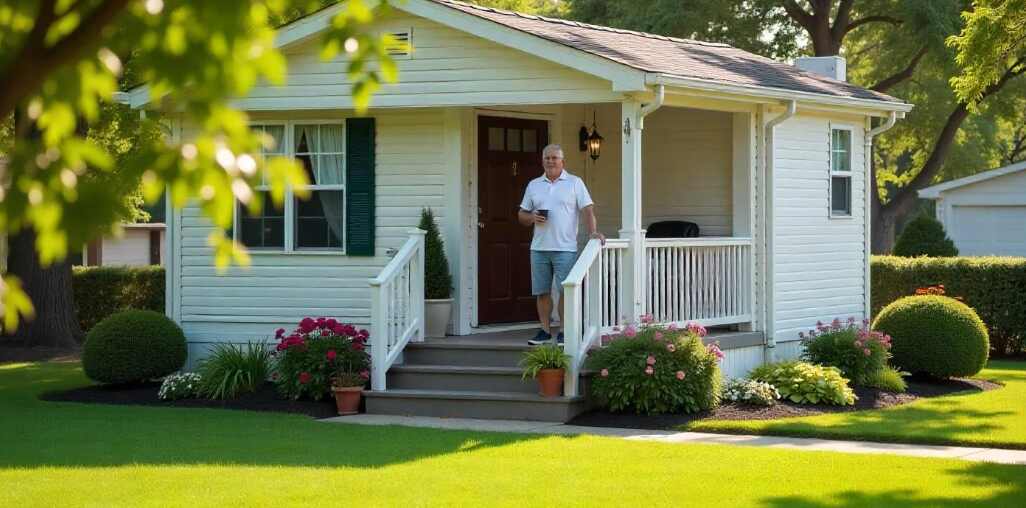
5. Adding a Deck or Porch
One of the best ways to extend your living space is by adding a deck or porch. These areas offer a comfortable spot to relax, entertain guests, and enjoy the outdoors.
Planning Your Outdoor Space
- Size and Layout: Measure the space you have and consider how you plan to use the deck—do you need a dining area, a lounge zone, or both?
- Materials: Pressure-treated wood is common for its affordability. Composite decking is pricier but offers exceptional durability and low maintenance.
- Railings and Stairs: Ensure they meet local safety codes. Opt for materials that complement your home’s exterior.
A well-built deck can elevate the overall look of your mobile home and provide functional outdoor living space. If you’re not comfortable tackling this project yourself, consult with a contractor who has experience working with mobile homes.
6. Seasonal Maintenance
Each season brings unique challenges, from scorching summer sun to freezing winter temperatures. Regular, proactive maintenance is key to preserving your mobile home’s exterior.
Spring and Summer
- Wash Siding: Clean off accumulated dirt, pollen, and mildew.
- Inspect Roof: Look for damage from ice or strong winds, and clear away any debris.
- Check Seals: Verify that window and door seals are intact.
Fall and Winter
- Clear Gutters and Downspouts: Prevent water buildup and ice dams.
- Skirting Check: Confirm there are no gaps or damage that rodents or cold air can exploit.
- Winterization: In colder climates, consider extra insulation or weatherproofing to keep heat in.
Staying on top of seasonal tasks can prevent costly repairs and keep your home looking and feeling comfortable all year round.
7. Incorporating Personal Style
Beyond basic maintenance, you can personalize your exterior with paint colors, decorative trim, and landscaping. A splash of color on your front door can make your entrance pop. Well-chosen outdoor lighting not only looks great but also adds security. Small touches like flower boxes or potted plants can make a big difference in your home’s curb appeal.
Try mixing and matching styles—maybe combine rustic wooden steps with sleek metal railings. Look for design inspiration from neighbors, magazines, or home improvement websites like https://mobilehomeexteriors.com, where you can explore real-life examples and gather ideas tailored specifically to mobile homes.
FAQs
1. Is it expensive to replace mobile home siding? Costs vary based on the material you choose. Vinyl is generally more affordable, while metal or wood can be pricier. Always compare quotes and consider the long-term benefits, like durability and energy efficiency, when making your decision.
2. How often should I inspect my roof? Aim to inspect it at least twice a year—ideally in the spring and fall. Also, check your roof after severe weather events to catch any damage early.
3. Do I need to add skirting to my mobile home? Skirting is essential because it protects the underside of your home from pests, moisture, and debris. It also helps regulate temperature beneath the home, which can reduce energy costs and prevent frozen pipes.
4. What’s the best way to clean vinyl siding? A garden hose with a spray nozzle is usually sufficient. For tougher stains, mix mild detergent or siding cleaner with water. Avoid high-pressure washers if possible, as they can force water behind the siding or cause damage.
5. Can I install a deck on a mobile home by myself? If you’re experienced with DIY projects and have the correct tools, it’s possible to build your own deck. However, consulting with a professional can save you from potential issues, especially regarding local building codes and weight distribution requirements.