Why Disappearing Dining Rooms Are Taking Over Contemporary Homes
In recent years, a noticeable shift has been occurring in home design and usage: the traditional dining room is becoming a thing of the past. Once a staple in every household, dedicated dining spaces…
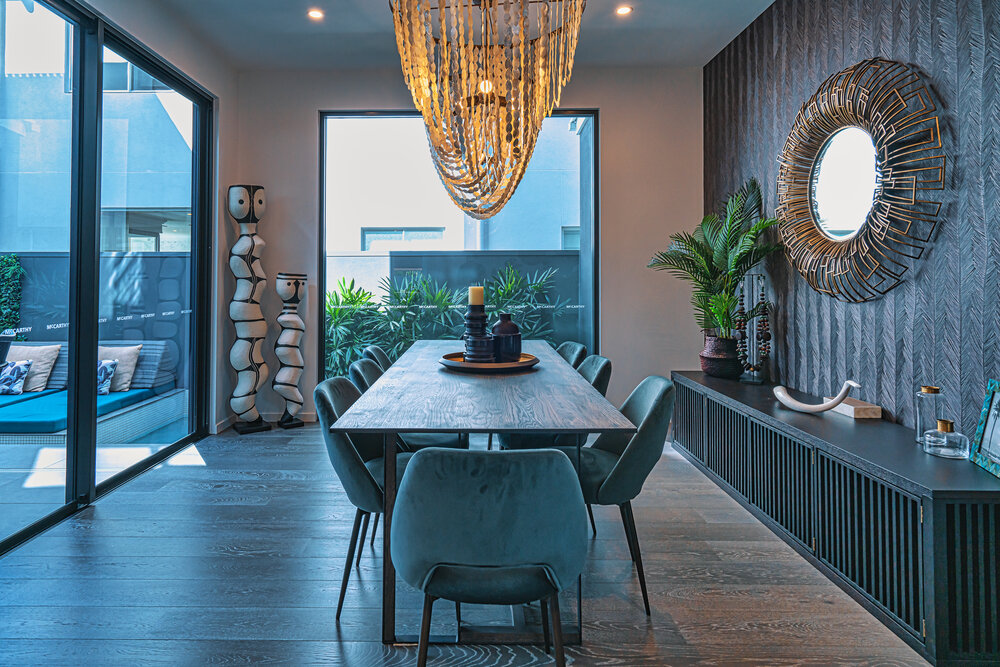
In recent years, a noticeable shift has been occurring in home design and usage: the traditional dining room is becoming a thing of the past. Once a staple in every household, dedicated dining spaces are now often replaced or repurposed to better fit modern lifestyles. This transformation reflects broader changes in how we live, entertain, and utilize our living spaces.
The Decline of Traditional Dining Rooms
Changing Lifestyles
Modern life is characterized by busier schedules and more dynamic living arrangements. Families often prioritize convenience and flexibility, leading to a reevaluation of how space is used within the home. The traditional dining room, once the centerpiece for family meals and social gatherings, is increasingly seen as an unnecessary luxury.
Open-Plan Living Spaces
The open-plan design has surged in popularity, emphasizing fluidity and connectivity between different areas of the home. By eliminating walls that once separated the kitchen, living room, and dining room, homeowners create more versatile spaces that can serve multiple functions. This trend not only makes homes feel larger but also fosters a more interactive and communal atmosphere.
Alternative Spaces for Dining
Kitchen Islands
One of the most common replacements for the dining room is the kitchen island. Equipped with seating, kitchen islands provide a casual dining option that keeps meals within the heart of the home. This setup encourages spontaneous dining and social interaction without the need for a separate room.
Breakfast Nooks
For those who still crave a dedicated eating area, breakfast nooks offer a charming and compact solution. These small, cozy spaces are typically integrated into the kitchen or living area, providing a comfortable spot for morning meals without the formality of a traditional dining room.
Multi-functional Rooms
Many homeowners are opting for rooms that serve multiple purposes. For instance, a home office can double as a dining area, or a living room can incorporate a dining table that is easily moved or stored. This flexibility maximizes space and ensures that every area of the home is utilized efficiently.
Impact on Social Interactions
Family Meals
The shift away from a separate dining room can have both positive and negative effects on family dynamics. On one hand, eating together in the kitchen or living room can foster more frequent and informal interactions. On the other hand, the absence of a dedicated dining space may reduce the formality and intentionality of family meals, potentially impacting bonding and communication.
Entertaining Guests
Entertaining has also evolved with the disappearance of traditional dining rooms. Open-plan spaces allow for a more interactive and engaging environment where guests can move freely between different areas. However, hosting large gatherings may require creative arrangements to ensure comfort and functionality without the defined structure of a dining room.
Design Trends Influencing the Shift
Minimalism
Minimalist design emphasizes simplicity and functionality, often leading to the elimination of spaces that are not essential. By reducing clutter and focusing on versatile furniture, homeowners can create aesthetically pleasing environments that cater to modern needs without the need for dedicated dining rooms.
Space Optimization
With urban living spaces becoming smaller, optimizing available space is crucial. Multifunctional furniture, such as extendable tables and stackable chairs, allows for flexible use of rooms, ensuring that dining can seamlessly integrate into various parts of the home without compromising on space.
Future of Dining Spaces
As lifestyles continue to evolve, so too will the concept of dining within the home. Technological advancements, such as smart furniture and integrated appliances, are likely to further blur the lines between different living areas. Additionally, cultural shifts towards more casual and flexible living arrangements will continue to influence how dining spaces are designed and utilized.
Homebuilders and designers are responding to these changes by creating adaptable and innovative solutions that cater to the diverse needs of modern households. Whether through transforming existing rooms or inventing new ways to incorporate dining into daily life, the future of dining spaces promises to be both dynamic and responsive to the ever-changing landscape of home living.
Frequently Asked Questions
1. Why are dining rooms disappearing in modern homes?
Dining rooms are disappearing due to changing lifestyles that prioritize open-plan living, multifunctional spaces, and the need for greater flexibility within homes. Busy schedules and a desire for more casual dining options also contribute to this trend.
2. What are the alternatives to a traditional dining room?
Alternatives include kitchen islands with seating, breakfast nooks, and multi-functional rooms that serve as both dining and living or working spaces. These options offer flexibility and integrate dining more seamlessly into everyday life.
3. How does the absence of a dining room affect family interactions?
Without a dedicated dining room, families may experience more frequent but less formal meals, fostering casual interactions. However, it might also reduce the intentionality of family bonding that traditional dining spaces provided.
4. Can small homes still accommodate a dining area without a separate room?
Yes, small homes can accommodate dining areas through the use of space-saving furniture like extendable tables, foldable chairs, and integrated dining solutions within other rooms such as the kitchen or living area.
5. Are there any benefits to not having a separate dining room?
Benefits include increased flexibility in how spaces are used, a more open and connected living environment, and better utilization of limited space. It also allows for more spontaneous and casual dining experiences.