Heat Pump Water Heater Maintenance: What to Do and When
A heat pump water heater needs a clean air filter, a clear condensate drain and the usual tank care. Here is each job, how often, and who should do it.
A heat pump water heater sits in the corner of the basement or garage and asks for very little, right up until the display flashes a filter reminder, a puddle shows up under the jacket, or the unit quietly drops into straight electric mode and the power bill climbs. Most of those problems trace back to a few small jobs nobody told you about on installation day.
This article lays out what a hybrid unit needs, how often each job comes due, which ones you can handle with a vacuum and a garden hose, and which ones belong to a licensed plumber or a refrigeration technician.
What a heat pump water heater has that a standard tank does not
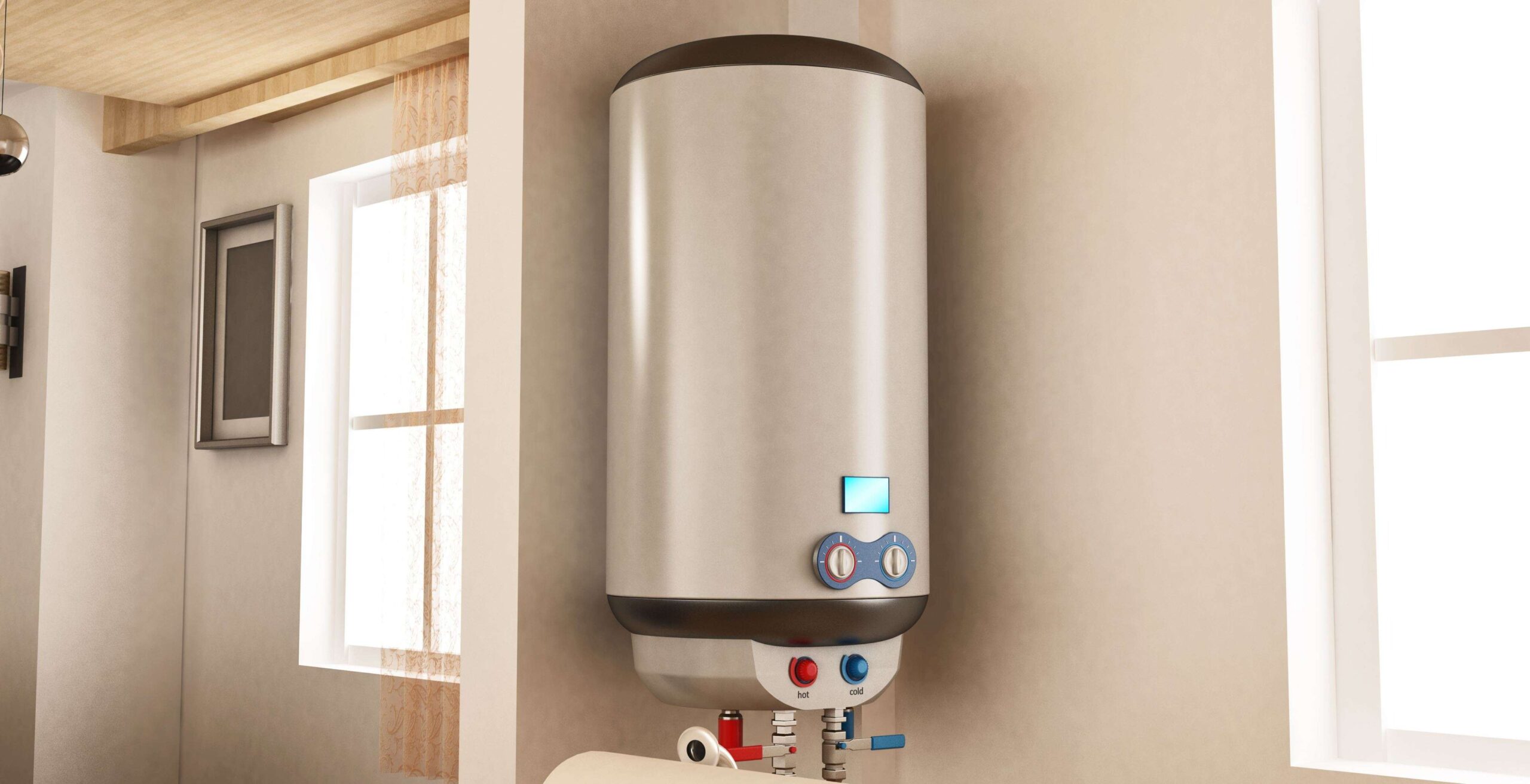
Think of the unit as two machines stacked together. The bottom is an ordinary glass-lined electric storage tank. The top is a small refrigeration system that pulls heat out of the surrounding air and moves it into the water. Each half has its own maintenance list, and owners who came from a plain electric tank usually forget the top half.
- Air filter: a washable mesh screen that keeps dust and lint off the coil.
- Evaporator coil and fan: the fan pulls room air across cold fins, which is where the heat is collected.
- Compressor and sealed refrigerant circuit: factory charged and not serviceable by the owner.
- Condensate pan and drain: the cold coil wrings moisture out of the air, and that water has to go somewhere.
- Tank parts: anode rod, backup heating elements, drain valve, and the temperature and pressure relief valve, the same as any electric tank.
The tank-side jobs overlap with the general advice on cleaning and maintaining other water heater types. The air-side jobs are unique to a hybrid, and they are the ones that decide whether the unit runs efficiently or leans on its electric elements.
Maintenance schedule at a glance
Manufacturers differ on the exact intervals, so treat the table as a sensible default and let the owner's manual for your model overrule it.
| Task | Typical interval | Who does it |
|---|---|---|
| Look at the air filter | Monthly glance | Homeowner |
| Clean the air filter | Every 3 to 6 months, sooner in a dusty or laundry space | Homeowner |
| Check the condensate drain and pan | Every 3 months | Homeowner |
| Confirm clearances and airflow | Every few months | Homeowner |
| Test the relief valve | Once or twice a year, per the manual | Homeowner or plumber |
| Flush sediment from the tank | Yearly, more often on hard water | Homeowner or plumber |
| Inspect the anode rod | Every 1 to 3 years | Plumber on most models |
| Refrigerant, compressor and electrical diagnosis | When a fault appears | Licensed technician only |
How to clean the air filter
This is the single job that matters most, and it takes ten minutes. A matted filter starves the coil of air, the compressor runs longer for less heat, and many units eventually give up and switch to the resistance elements. The Pacific Northwest National Laboratory publishes a short do-it-yourself filter cleaning procedure that suggests a 3 to 6 month interval, which lines up with what most manuals ask for.
- Shut the unit off at the circuit breaker, or switch it to vacation or electric-only mode so the fan stops.
- Find the filter. It is usually on top of the unit, in a slot near the top, or in the intake duct collar if the unit is ducted. A step ladder helps on an 80 gallon tank.
- Slide the filter out and vacuum it with a brush attachment, working from the dirty side.
- If the dust is greasy or sticky, wash the screen in warm water with a few drops of dish soap and a soft brush, then rinse.
- Let it air dry completely. A damp filter clogs with dust sooner and can drip onto the controls.
- Slide it back in the same way it came out, restore power, and return the unit to heat pump or hybrid mode.
- Clear the filter reminder on the display if your model has one, usually by holding a button for a few seconds.
While the filter is out, shine a flashlight on the coil fins behind it. A light film of dust can be lifted with the vacuum brush held just off the surface. The fins are thin aluminum and bend under a fingertip, so never scrub them, and never spray coil cleaner unless the manual names one.
Keeping the condensate drain clear
A hybrid water heater dehumidifies as it runs. In a damp basement in summer the pan can collect a gallon or more of water a day, and in a dry winter garage almost nothing. That swing is why drain problems tend to show up in the first humid month of the year.
The water leaves through a port on the side of the unit, usually into 3/4 inch tubing or pipe that runs by gravity to a floor drain, a laundry standpipe or a small condensate pump. Many models have a second, higher overflow port as a backup. Every three months, check four things:
- The tubing slopes downhill the whole way, with no sags holding water and no kinks. Mechanical codes typically call for at least 1/8 inch of fall per foot on condensate lines; your local code governs.
- The end of the line is open and not sitting submerged in a floor drain or sump.
- There is no slime or algae at the outlet. If there is, disconnect the tube and flush it with warm water.
- If a condensate pump is installed, the reservoir is clean and the pump kicks on when you pour a cup of water into it.
Water under the heater does not always mean a leaking tank. On a hybrid, check the drain pan and tubing first. A blocked drain port can also trip a condensate sensor, and the unit will run on its elements until the pan is dry and the port is clear.
Giving the unit enough air to work with
Because the heat comes from the room, the room is part of the appliance. ENERGY STAR's heat pump water heater guidance puts the air volume manufacturers ask for at roughly 450 to 700 cubic feet, about the size of a 10 by 10 foot room with a 7 foot ceiling at the upper figure. Smaller closets need louvered doors, grilles or ducting sized to the manual.
Maintenance here is mostly housekeeping. Storage boxes creep toward the heater, laundry lint drifts onto the intake, and somebody swaps the louvered door for a solid one. Keep the intake and exhaust sides open to the clearance in your manual, and keep paint cans, solvents and bleach away from the intake, since the fan will pull those fumes across the coil.
Temperature matters too. Many models run the compressor only when the surrounding air is somewhere between about 40 and 90 degrees Fahrenheit, and some are rated for a wider band. Outside that range the unit switches to its elements, which is normal behavior and not a fault. If your garage spends months below 40 degrees, expect winter running costs closer to a standard electric tank.
Tank-side jobs: sediment, anode rod and relief valve
The lower half of the unit ages like any other steel tank. Three jobs keep it healthy.
Flushing sediment
Hard water drops scale on the bottom of the tank, where it buries the lower element and steals capacity. Once a year, turn the power off at the breaker, close the cold supply, connect a hose to the drain valve, open a hot faucet upstairs and drain a few gallons until the water runs clear. Never restore power until the tank is completely full and a hot tap runs without sputtering. An electric element energized in air burns out in seconds. If the house has a thermal expansion tank on the cold line, this is a convenient moment to follow the steps for checking expansion tank pressure, since the system is already depressurized.
Inspecting the anode rod
The anode is a sacrificial metal rod that corrodes so the tank lining does not. Guidance on timing varies from yearly checks to every three years, and softened water eats rods noticeably faster. On many hybrids the rod sits under the top cover beside the heat pump housing, with little headroom above, so this is a job most owners hand to a plumber. Some warranties also require the anode to stay in place, so do not remove it to cure a smell without reading the warranty terms.
Testing the temperature and pressure relief valve
The relief valve is the tank's last safety device. To test it, lift the lever briefly and let it snap shut. Water should rush through the discharge pipe and stop cleanly. A valve that will not open, or one that keeps dripping after the test, needs replacing by a plumber right away. The causes behind a relief valve that keeps leaking are much the same on a boiler and a water heater: excess pressure, thermal expansion or a worn seat. Never cap or plug the discharge pipe.
Operating modes and the temperature setting
Maintenance includes checking that the unit is still in the mode you think it is. Most hybrids offer heat pump only, hybrid, electric only and vacation settings. Someone bumps it to electric for a houseful of guests, nobody switches it back, and the efficiency you paid for disappears for six months. Look at the display when you check the filter.
A setpoint of 120 degrees Fahrenheit suits most households and limits scald risk. Raising it gives more usable hot water from the same tank, but increases standby loss and makes a mixing valve at the outlet a sensible addition. If you have a recirculation loop, put it on a timer or aquastat. A loop that runs around the clock bleeds heat from the pipes all day and keeps the compressor working, a point worth weighing before adding a recirculating pump to the heater.
Warning signs that need a professional
Some symptoms are beyond a filter and a hose. The unit runs on a 240 volt circuit in most homes and contains a sealed refrigerant charge, and both are off limits without the right license.
- An error code that returns after you have cleaned the filter and cleared the drain.
- The fan runs but the upper tank never warms in heat pump mode, or heavy frost builds on the coil in a warm room.
- Oily residue around the refrigerant tubing, which can point to a leak.
- A breaker that trips repeatedly, a burnt smell, or scorched wiring at the junction box.
- Rusty water at the hot taps or moisture weeping from the tank seams.
- Loud rattling or grinding from the top of the unit. A steady hum about as loud as a dishwasher is normal.
A weeping seam on an older tank usually means the tank itself is finished, and the guide to repairing or replacing a water heater walks through that decision. Replacement involves electrical and plumbing permits in most jurisdictions, so the local inspector has the final say on how the new unit goes in.
A ten minute routine to start this weekend
Put a recurring reminder on your phone for the first Saturday of every third month. On that day, pull and clean the filter, pour a cup of water into the condensate pump or watch the drain outlet for a steady drip, move anything that has crept inside the clearance zone, and read the mode and setpoint off the display. Write the date on a strip of tape on the tank jacket.
Once a year, add the sediment flush and the relief valve test, and book a plumber for the anode inspection if the unit is more than a couple of years old. For related jobs on boilers, expansion tanks and radiant systems, browse the rest of the heating and cooling articles.
Frequently asked questions
- How often should a heat pump water heater be serviced?
- Plan on a quick owner check every three months for the filter and condensate drain, plus a yearly session for the sediment flush and relief valve test. A plumber visit every one to three years for the anode rod is reasonable. Your owner's manual may set different intervals, and it takes priority.
- What happens if I never clean the air filter?
- Airflow across the coil drops, so the compressor runs longer to make the same hot water. Many models will show a filter alert and then fall back to the electric elements, which costs noticeably more to run. Over time the dust that gets past a clogged filter also coats the coil, and that is much harder to clean.
- Can I run the heater without the filter while it dries?
- No. Leave the unit off or in electric-only mode until the filter is dry and back in place. Running the fan without a filter pulls lint straight onto the coil fins.
- Is the water from the condensate drain safe to reuse?
- It is essentially distilled moisture from the air, but it has run across a dusty coil and through a drain pan, so it is not drinking water. Some people route it to a floor drain, a sump or the garden. Check local code before discharging it outdoors or into a plumbing fixture.
- Why is my heat pump water heater blowing cold air?
- That is how it works. The unit takes heat out of the room air and puts it in the water, so the exhaust air comes out cooler and drier. If the cold air is a nuisance in winter, ask an installer about ducting the exhaust or changing modes seasonally.
- Does a heat pump water heater need a professional tune-up every year?
- Not always. A careful owner can cover the filter, drain, flush and relief valve test. A professional is worth calling for the anode rod, for any electrical or refrigerant concern, and for firmware or diagnostic checks on connected models.
- Why does my hot water smell like rotten eggs?
- The usual cause is bacteria in the tank reacting with the anode rod, most often on well water or after the heater has sat unused. A plumber can disinfect the tank and may suggest a different anode type. Check the warranty first, since removing the anode entirely can void it.
- Do I need to add or top up refrigerant?
- No. The refrigerant circuit is sealed at the factory and should hold its charge for the life of the unit. If the charge is low, there is a leak, and finding and repairing it requires a certified refrigeration technician.
- Should I switch to electric mode in winter?
- Only if the space drops below the temperature your model needs for heat pump operation, and most units make that switch automatically. In a basement that stays in the 50s, hybrid mode still saves energy in winter. Manually locking it in electric mode usually just raises the bill.
- How long does a heat pump water heater last?
- Manufacturers generally describe a service life in the same range as a standard storage tank, often a bit over a decade, and the tank is usually what fails first. Water quality, anode condition and regular flushing have more influence than the heat pump components do.
- What should I do before leaving the house for a few weeks?
- Set the unit to vacation mode, which holds the tank at a low standby temperature and prevents freezing in a cold space. Clean the filter and confirm the condensate drain is flowing before you go. When you return, switch back to heat pump or hybrid mode and give the tank a few hours to recover.
- Is it normal for the unit to be noisy?
- A steady fan and compressor hum, similar to a dishwasher or a window air conditioner on low, is normal. New rattles, buzzing panels or grinding are not. Check for loose covers and debris at the intake, and call a technician if the noise comes from the compressor.